
Child Safety and Choosing the Right Furniture: An Australian Parent’s Guide
When it comes to buying furniture for your baby or toddler, safety isn’t optional-it’s essential. Poorly designed or unstable furniture can cause serious injuries. By following guidance from Product Safety Australia, Kidsafe, relevant Australian Standards, you can create a safer environment for your child while also choosing practical pieces that last as they grow.
Below are expert-backed child safety points to consider before buying nursery furniture or updating your existing setup at home.
Essential Child Safety Points for Furniture
1. Stability – Choose wide-based, sturdy items (e.g., a high chair or change table) that are difficult to tip over. If possible, test stability in-store. For large pieces like dressers and bookshelves, use anti-tip wall anchors as per ACCC safety guidance.
2. No Sharp Edges – Ensure edges and corners are smooth. For wooden furniture, check there are no exposed splinters. Use corner and edge guards for added protection.
3. Adjustable Designs – Opt for adjustable furniture (e.g., cots with multiple mattress heights or extendable beds) so the piece can grow with your child, saving you from early replacements.
4. Easy to Clean – Babies and toddlers spill, drool, throw food. Surfaces should be easy to wipe clean. For fabric-covered items, ensure covers are removable and machine washable.
5. Lockable Wheels – Furniture on wheels (e.g., bassinets, change tables) should have lockable castors to prevent movement during use.
6. Safety Straps and Guardrails – High chairs, change tables, other elevated furniture must have secure straps or guardrails. Around the home, use safety straps to secure TVs, tall storage units, other tip-prone items to the wall.
7. Storage and Foldability – Foldable or collapsible furniture makes storage easier and can be especially useful for small spaces or grandparents’ homes.
8. Ease of Use – Select furniture that is straightforward to assemble, fold, adjust without tools where possible.
Childproofing Existing Furniture
- Install anti-tip kits for bookcases, wardrobes, tallboys.
- Add corner protectors on coffee tables and low units.
- Fit drawer and cupboard locks to prevent access to hazardous items.
- Keep heavy or breakable items out of reach and away from edges.
Shop Child Safety and Nursery Furniture
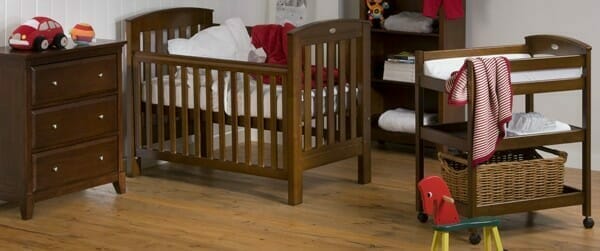
At Bubs n Grubs, we stock trusted child safety products and Australian-standard compliant nursery furniture. Our trained consultants can help you choose items that balance safety, comfort, practicality.
Get instant access to our current sale range by clicking below:
FAQ: Child Safety and Furniture
What is the safest cot for my baby?
Choose a cot that meets AS/NZS 2172, with a firm, snug-fitting mattress and no pillows, quilts, bumpers.
Do I really need to anchor furniture?
Yes. Unanchored furniture can tip over if climbed on or pulled. Use wall straps or brackets for all tall or heavy items.
How often should I check my furniture for hazards?
Inspect every few months, especially after your child reaches new milestones like pulling to stand or climbing.
About the Author
Frank is a founding owner of Bubs n Grubs. He is also the sole author of the Bubs n Grubs Baby Blog. He has been personally evaluating baby products & testing them before offering them to our customers since 2006. In addition, he is consistently giving manufacturer’s feedback & product development advice, reviewing & getting customer feedback. He has been doing this since the business started in 2006. He is proud to be one of the rare baby store owners who regularly engages with customers in store. Frank values the constant feedback and regularly seeks it out. He has been featured on the Morning Show & the Today Show on Channel 7 and Channel 9 and is a recognised expert in baby products as a result.
Important: This article provides general safety information and does not replace professional advice. Always follow manufacturer instructions and relevant Australian Standards when setting up or using furniture. For urgent child safety concerns, contact 000.
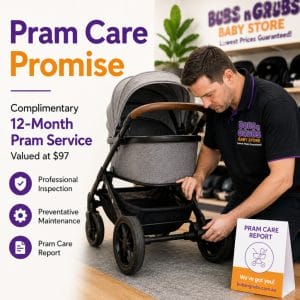
Helping You Protect Your Pram Long After You Take It Home
Helping You Protect Your Pram Long After You Take It Home For many families, a pram is one of the most frequently used baby products they’ll ever own. It gets folded in and out of the car, pushed across shopping centres, parks, gravel paths, footpaths and often travels thousands of kilometres during its lifetime. Like
Read more...
The Car Seat Mistake That Almost Cost One Brisbane Mum a New Car
A Brisbane mum with three young children came to us seeking a second opinion after being told she would likely need to buy a larger vehicle to fit three child restraints safely. The problem was she couldn’t afford one. Like many Australian families, she was already feeling the pressure of rising living costs. The thought
Read more...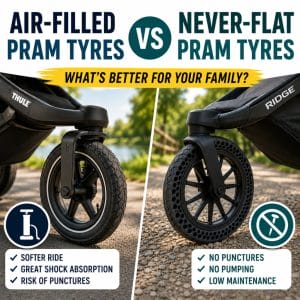
Air-Filled vs Never-Flat Pram Tyres: What’s Better for Australian Families?
Air-Filled vs Never-Flat Pram Tyres – What’s Better for Your Family? Most parents spend time comparing suspension, fold size and basket space when choosing a pram, but very few think about the tyres until after they start using it every day. The type of tyres your pram uses can make a huge difference to: Ride
Read more...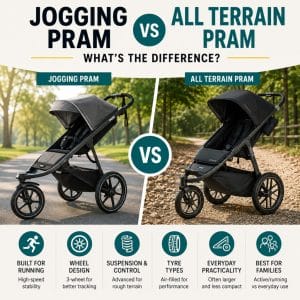
Jogging Pram vs All Terrain Pram: What’s the Difference?
Jogging Pram vs All Terrain Pram: What’s the Difference? Many parents searching for an all terrain pram eventually come across jogging prams and assume they are exactly the same thing. While both are designed to handle rougher terrain better than standard strollers, there are some important differences that can completely change which option is best
Read more...




 Facebook
 Instagram
 YouTube
 LinkedIn
Leave a comment