
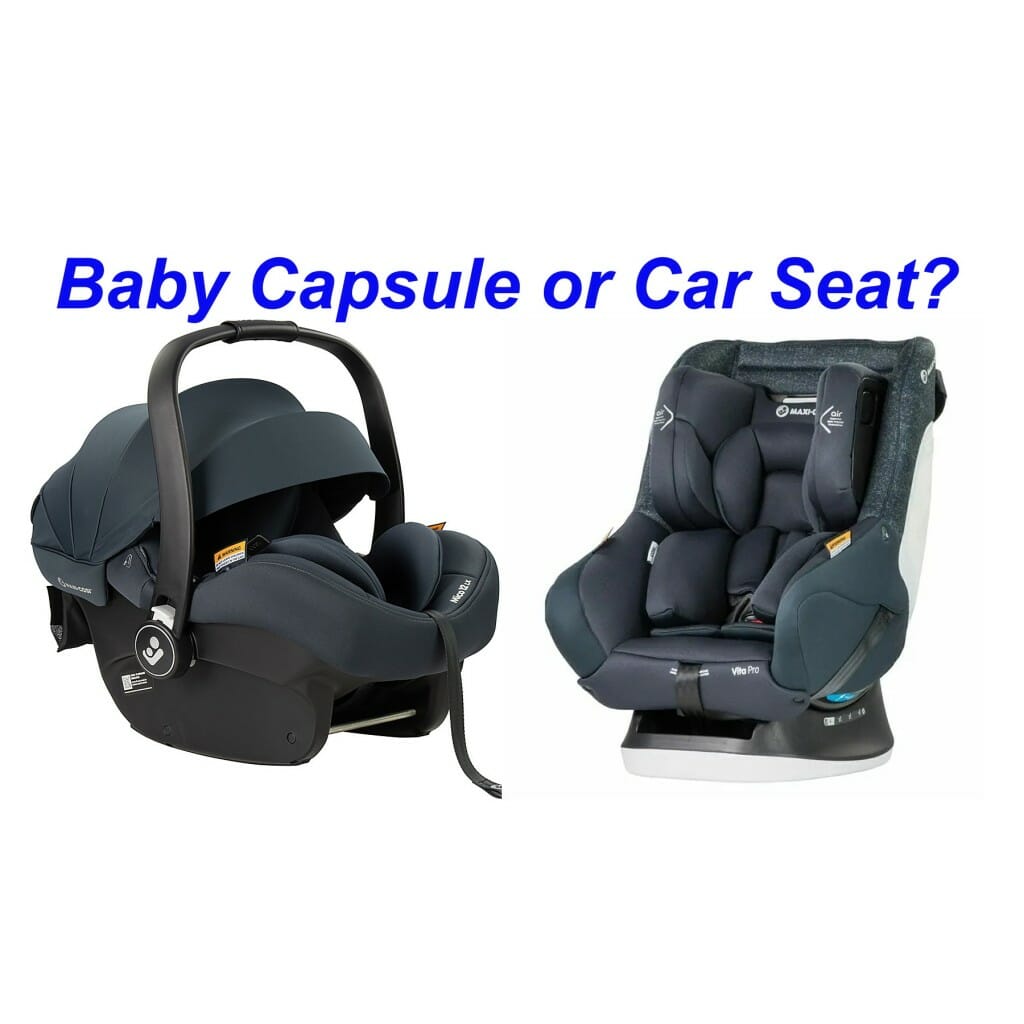
Baby Capsule vs Car Seat: Which Is Best for Your Newborn in Australia?
By Frank, Founding Owner of Bubs n Grubs
We’re constantly asked in store by first-time parents: “Should I buy a baby capsule or a car seat?”
The short answer: a baby capsule can make life much easier during the newborn months, but you don’t necessarily need one.
The right choice depends on your lifestyle, vehicle setup, travel habits, budget and how you plan to move your baby day to day.
Both baby capsules and convertible car seats sold in Australia must comply with strict AS/NZS 1754 child restraint standards, however convenience, installation quality, rear-facing duration and long-term usability can vary significantly between models.
Why Your Choice Matters (Australian Context)
Australia has some of the strictest child restraint standards in the world.
Every approved restraint sold locally must comply with AS/NZS 1754, however choosing the right restraint for your vehicle, your child and your daily routine still matters enormously.
Beyond legal compliance, things like rear-facing duration, ease of installation, harness adjustment and everyday practicality all affect both safety and usability during the first few years.
What Most Parents Don’t Realise
Many parents initially focus only on safety ratings or brand names.
In reality, everyday usability often becomes one of the biggest deciding factors after the baby arrives.
Things families commonly underestimate include:
- How often sleeping babies are transferred in and out of the car
- How heavy capsules become once the baby grows
- How much front passenger legroom some restraints use
- How difficult reinstalling restraints between vehicles can become
- How much easier some restraints are to tighten and adjust correctly every day
For some families, a capsule becomes invaluable during the newborn months.
For others, a long-term convertible seat from birth becomes the simpler and more economical solution.
What Is a Baby Capsule?
A baby capsule is a rear-facing infant carrier designed specifically for newborns and young babies, generally up to around 6–12 months depending on your child’s size and the model limits.
Most capsules feature a removable carrier that clicks into a vehicle base and compatible stroller, allowing you to move a sleeping baby between the car and pram with minimal disturbance.
- Rear-Facing Only: Designed specifically for newborn head, neck and spinal support.
- Portable: Carrier can transfer between vehicle and stroller.
- Convenient for Multiple Cars: Additional bases simplify vehicle changes.
- Travel System Compatible: Integrates with compatible prams.
Capsules are especially popular with families who regularly travel, use shopping centres often or move between multiple vehicles.
What Is a Convertible Car Seat?
A convertible car seat starts rear-facing for newborns and later transitions to forward-facing as your child grows.
Many modern convertible seats now support extended rear-facing travel for around 30 months or longer depending on your child’s size, making them a strong long-term option from birth.
- Long-Term Use: Often lasts until approximately 4 years or more.
- Rear & Forward Facing: Supports multiple stages of growth.
- Fixed Installation: Remains securely installed in the vehicle.
- Excellent Long-Term Value: Fewer upgrades required early on.
Convertible seats are especially popular with families wanting one restraint for long-term use or those primarily using a single vehicle.
Child Restraint Strategies (4 Common Pathways)
Strategy 1

Capsule ? Convertible Car Seat ? Booster
One of the most popular Australian pathways. Families start with a capsule, move to an extended rear-facing convertible seat and later transition to a booster.
Strategy 2
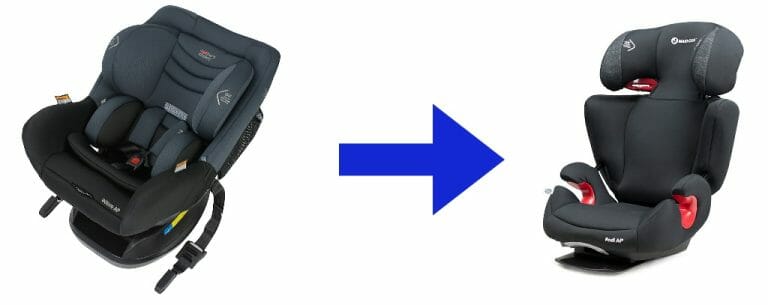
Convertible Car Seat From Birth
A long-term approach using a single convertible restraint from birth before transitioning to a booster later.
Strategy 3

Capsule ? Long-Term Harnessed Seat
Some families skip the shorter 0–4 convertible stage and move directly into a longer-use harnessed restraint.
Strategy 4
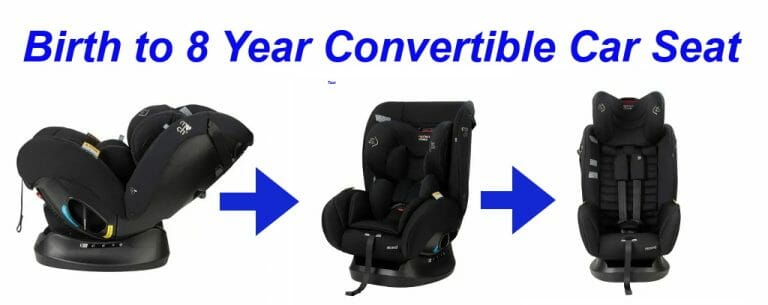
Birth-To-8 Seat From Day One
Some newer restraints support extended rear-facing from birth while offering long-term usability through to booster stage.
Safety First: What The Evidence Supports
- Rear-facing for longer is safer: Rear-facing travel better supports a child’s head, neck and spine during a collision.
- Correct installation matters: Even premium restraints can perform poorly if incorrectly installed.
- Vehicle fitment matters: Not every restraint suits every vehicle properly.
- Harness fit matters every trip: Loose harnesses are one of the most common safety mistakes.
Correct installation is just as important as choosing the right restraint.
If you would like assistance setting up your capsule or child restraint correctly, our team also offers professional baby car seat installation in Brisbane by ACRI-certified installers.
Capsule vs Convertible Car Seat: Quick Comparison
| Consideration | Baby Capsule | Convertible Car Seat (From Birth) |
|---|---|---|
| Transfers while baby sleeps | Excellent portability | Requires unbuckling/rebuckling |
| Multiple vehicles | Extra bases simplify transfers | Requires reinstalling |
| Rear-facing duration | Shorter initial stage | Many support extended rear-facing |
| Weight carried | Carry baby + capsule | Carry baby only |
| Long-term value | Shorter first-stage use | Longer usable lifespan |
| Daily convenience | Excellent newborn convenience | Simpler long-term setup |
Not Sure Which Car Seat Setup Is Best?
Choosing between capsules, convertibles and long-term restraints can feel overwhelming, especially for first-time parents.
Our finder tool can help narrow down suitable options based on your baby’s stage, your vehicle size, your travel habits and whether you prioritise convenience or long-term value.
Which Pathway Is Right for You?
- Lots of short trips or shopping? Capsules provide excellent convenience.
- Prefer fewer purchases? Convertible seats offer better long-term value.
- Using multiple cars? Capsules with multiple bases simplify transfers.
- Want extended rear-facing? Many convertible seats now support longer rear-facing travel.
Standards & Guidance (Australia)
- Product Safety Australia – Child car seats
- Queensland Government – Child restraints & road rules
- ACCC/Product Safety
- Kidsafe Queensland
Summary
If your goal is easier newborn transfers and travel system convenience, a capsule is often the best first-stage option.
If you prefer fewer upgrades and longer-term use, a convertible car seat from birth may suit your family better.
Either pathway can be extremely safe when the restraint fits your child properly, suits your vehicle correctly and is installed and adjusted properly every trip.
Need tailored help? Our team compares and installs child restraints daily and can help you choose the safest setup for your family and vehicle.
FAQ
Do I need a baby capsule or can I start with a car seat?
You do not need a baby capsule, however many parents prefer the convenience during the newborn months. A convertible car seat from birth is also a safe and popular option.
Are baby capsules safer than convertible car seats?
Both can provide excellent protection when correctly installed, correctly fitted to the child and compliant with Australian Standard AS/NZS 1754.
How long can my baby stay in a capsule?
Most capsules are suitable until approximately 6-12 months depending on your child’s size and the restraint’s limits.
Is rear-facing safer for babies?
Yes. Rear-facing travel provides improved support for the head, neck and spine during a collision.
Can professional fitting help improve child restraint safety?
Yes. Professional fitting can help ensure the restraint is installed correctly and adjusted properly for your child and vehicle.
About the Author
Frank is a founding owner of Bubs n Grubs. He is also the sole author of the Bubs n Grubs Baby Blog. He has been personally evaluating baby products & testing them before offering them to our customers since 2006. In addition, he is consistently giving manufacturer’s feedback & product development advice, reviewing & getting customer feedback. He has been doing this since the business started in 2006. He is proud to be one of the rare baby store owners who regularly engages with customers in store. Frank values the constant feedback and regularly seeks it out. He has been featured on the Morning Show & the Today Show on Channel 7 and Channel 9 and is a recognised expert in baby products as a result.
Helping You Protect Your Pram Long After You Take It Home
Helping You Protect Your Pram Long After You Take It Home For many families, a pram is one of the most frequently used baby products they’ll ever own. It gets folded in and out of the car, pushed across shopping centres, parks, gravel paths, footpaths and often travels thousands of kilometres during its lifetime. Like
Read more...
The Car Seat Mistake That Almost Cost One Brisbane Mum a New Car
A Brisbane mum with three young children came to us seeking a second opinion after being told she would likely need to buy a larger vehicle to fit three child restraints safely. The problem was she couldn’t afford one. Like many Australian families, she was already feeling the pressure of rising living costs. The thought
Read more...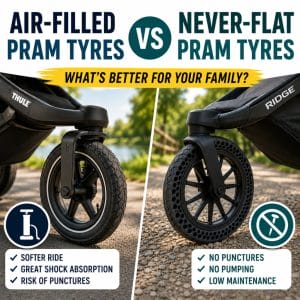
Air-Filled vs Never-Flat Pram Tyres: What’s Better for Australian Families?
Air-Filled vs Never-Flat Pram Tyres – What’s Better for Your Family? Most parents spend time comparing suspension, fold size and basket space when choosing a pram, but very few think about the tyres until after they start using it every day. The type of tyres your pram uses can make a huge difference to: Ride
Read more...
Jogging Pram vs All Terrain Pram: What’s the Difference?
Jogging Pram vs All Terrain Pram: What’s the Difference? Many parents searching for an all terrain pram eventually come across jogging prams and assume they are exactly the same thing. While both are designed to handle rougher terrain better than standard strollers, there are some important differences that can completely change which option is best
Read more...







 Facebook
 Instagram
 YouTube
 LinkedIn
Leave a comment